
Get Dry Well Installation in Glen Burnie, MD
Dry well installation services help Glen Burnie property owners manage excess groundwater and prevent flooding by connecting drainage systems to underground wells handled by experienced local contractors.
Property owners in Glen Burnie, MD, considering drainage improvements often explore options like dry well installation to help manage excess water runoff effectively. Properly installed dry wells can prevent pooling, reduce erosion, and protect foundations, making them a practical solution for maintaining the integrity of residential and commercial properties. As part of planning a landscaping or drainage project, it’s important to compare local contractors who specialize in site-specific solutions and have experience working within the area's unique soil and weather conditions.
By exploring the services available in the Glen Burnie area, property owners can find experienced service providers equipped to handle dry well installation with attention to local standards and best practices. Comparing different contractors allows for informed decisions tailored to the specific drainage needs of a property. Keep reading to learn more about how local professionals can assist with planning and executing a dry well project suited to your property’s requirements.
- Dry Well Installation - needed when traditional drainage systems are insufficient for managing groundwater in residential yards.
- Dry Well Maintenance - required when existing dry wells become clogged or stop functioning properly.
- Dry Well Repairs - necessary if a dry well shows signs of leakage, cracking, or structural damage.
- Dry Well Replacement - appropriate when an old or damaged dry well no longer effectively drains water away.
- Dry Well Inspection - useful for assessing drainage issues and determining if a dry well installation is suitable.
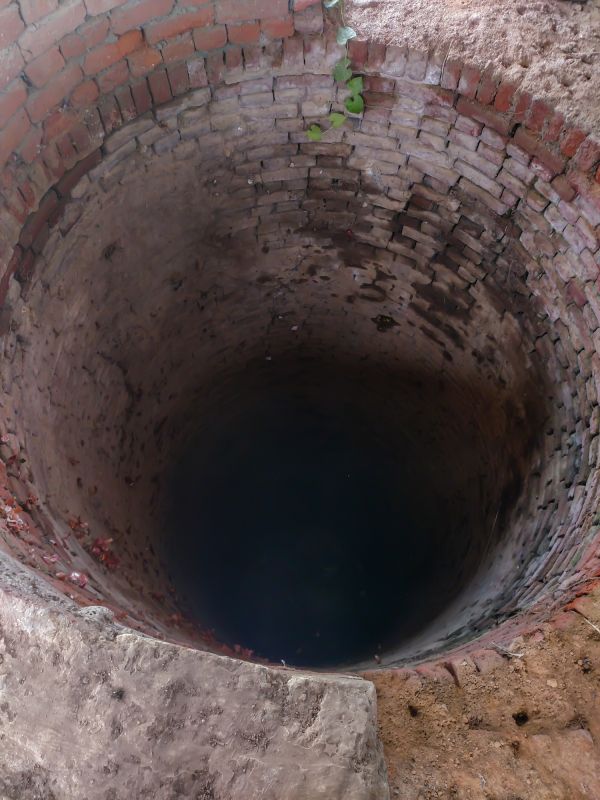
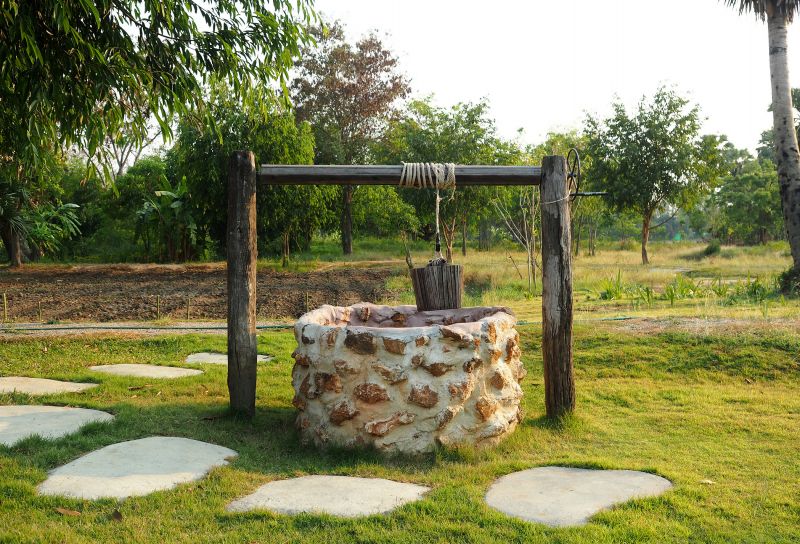
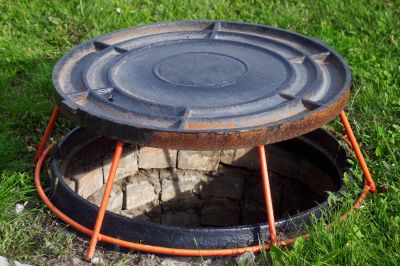
Dry well installation services involve setting up an underground system designed to manage excess water on a property. This process typically includes excavating a suitable area, installing a container or basin, and connecting it to existing drainage systems or gutters. The goal is to provide a safe outlet for stormwater runoff, preventing it from pooling around the foundation or causing erosion. These systems are especially useful in areas where natural drainage is insufficient or where heavy rainfall can overwhelm existing drainage solutions.
This service helps address common problems such as basement flooding, foundation damage, and landscape erosion caused by excess water. When water cannot drain properly, it can lead to persistent wetness around a home’s foundation, which over time may cause cracks or structural issues. Installing a dry well provides a controlled outlet for stormwater, reducing the risk of water infiltration and damage. It also helps keep yards dry and prevents muddy, unstable soil that can make outdoor spaces difficult to maintain or enjoy.
Properties that often benefit from dry well installation include homes with poor natural drainage, properties situated on slopes, or those with expansive landscapes that collect runoff. Commercial buildings, community centers, and multi-family residences may also require these systems to manage large volumes of stormwater effectively. In many cases, properties in areas prone to heavy rain or with limited space for traditional drainage solutions find dry wells to be a practical option for controlling water flow and protecting the property’s foundation.
Local service providers who specialize in dry well installation can assess specific property needs and recommend appropriate solutions. They handle the entire process, from site evaluation through installation, ensuring the system is tailored to the property’s drainage requirements. Contacting experienced contractors can help homeowners and property managers find the right approach to managing stormwater, reducing the risk of water-related issues and maintaining the integrity of the property’s landscape and structure.
The overview below groups typical Dry Well Installation projects into broad ranges so you can see how smaller, mid-sized, and larger jobs often compare in Glen Burnie, MD.
In many markets, a large share of routine jobs stays in the lower and middle ranges, while only a smaller percentage of projects moves into the highest bands when the work is more complex or site conditions are harder than average.
Smaller Repairs - For minor dry well repairs or replacements, local contractors typically charge between $250 and $600. Many routine projects fall within this range, covering tasks like fixing or replacing existing wells. Fewer projects reach the higher end of this spectrum unless additional work is required.
Standard Installations - Installing a new dry well for a typical residential property often costs between $1,000 and $3,000. Most projects in Glen Burnie, MD, land in this middle range, depending on soil conditions and the size of the system needed. Larger or more complex installations can push costs higher.
Full Replacement - Replacing an existing dry well with a new, larger system can range from $3,500 to $7,000 or more. These projects are less common and usually involve additional excavation or site prep work, which can increase costs significantly.
Large or Commercial Projects - Larger-scale or commercial dry well installations can exceed $10,000, especially if extensive site work or multiple wells are necessary. Such projects are less frequent and typically involve specialized equipment and planning, leading to higher costs.
Actual totals will depend on details like access to the work area, the scope of the project, and the materials selected, so use these as general starting points rather than exact figures.
Drainage System Installation - local contractors who install drainage systems often have skills in managing water flow and soil grading similar to dry well installation projects.
Foundation Drainage Solutions - professionals experienced in foundation drainage work understand soil conditions and water management techniques that are relevant to dry well setups.
Subsurface Water Management - experts who design and install subsurface water control systems utilize planning and excavation skills comparable to those needed for dry well installation.
Stormwater Management Systems - service providers working on stormwater solutions are familiar with underground water dispersal methods similar to dry well functions.
Soil Drainage Improvements - contractors specializing in soil drainage enhancement projects have expertise in soil and water flow management akin to dry well installation processes.
Erosion Control Projects - professionals handling erosion control often use similar planning, grading, and underground installation techniques as those involved in dry well systems.
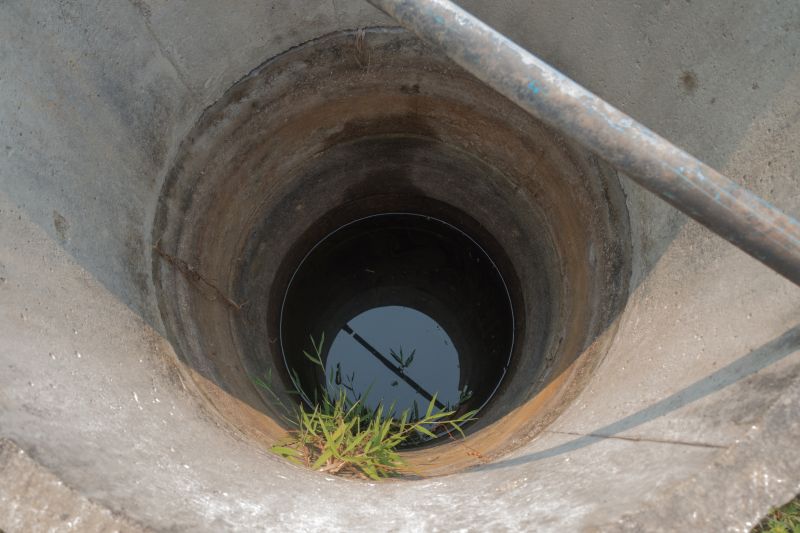
When selecting a contractor for Dry Well Installation services in Glen Burnie, MD, it’s important to consider their experience with similar projects. Homeowners should inquire about the types of systems the service providers have installed and whether they have worked on properties comparable in size and soil conditions. An experienced contractor will typically have a history of completing dry well installations successfully, which can help ensure the project proceeds smoothly and meets the homeowner’s needs.
Clear, written expectations are essential to a successful project. Homeowners should seek service providers who can offer detailed descriptions of the scope of work, materials to be used, and the steps involved in the installation process. Having this information in writing helps prevent misunderstandings and provides a reference point throughout the project. It’s also advisable to ask for reputable references or examples of past work, as these can offer insights into the contractor’s reliability and quality of craftsmanship.
Effective communication is key when working with local contractors. Homeowners should look for service providers who are responsive, transparent, and willing to answer questions thoroughly. Good communication ensures that any concerns or changes can be addressed promptly, reducing the likelihood of surprises or misaligned expectations. Remember, this site introduces homeowners to local options for Dry Well Installation services, helping them compare and connect with qualified service providers in the Glen Burnie area, rather than performing the work directly.
Property owners in Glen Burnie, MD use Dry Well Installation services for practical projects around their homes and businesses. This guide focuses on everyday jobs and straightforward project options.
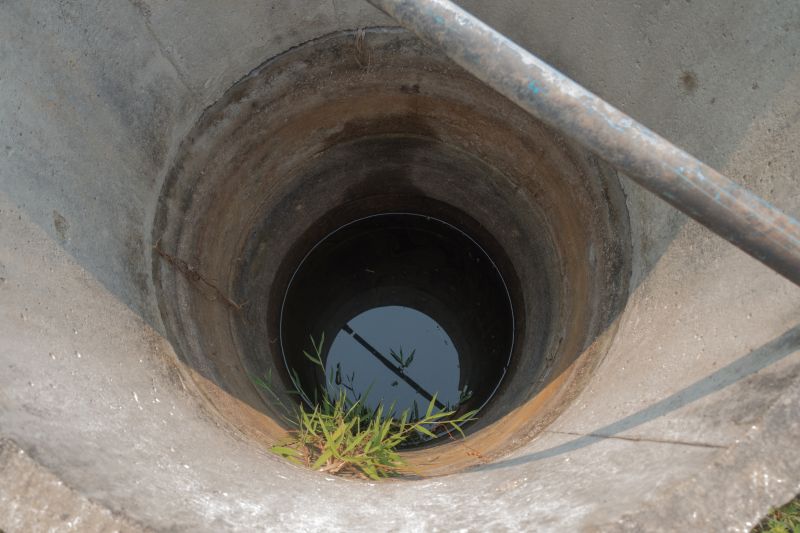
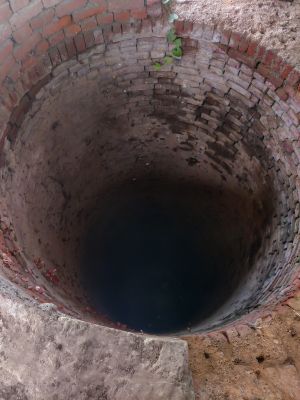
Dry well installation services are often needed in Glen Burnie, MD, when property owners experience drainage issues or want to improve the management of excess groundwater on their land. For example, after heavy rains, some homes may notice standing water or soggy areas that don’t drain properly, which can lead to foundation concerns or landscaping problems. Local contractors can assess these situations and provide solutions to help redirect water away from the property, reducing potential damage and improving outdoor usability.
Additionally, property owners may seek dry well installation when planning new construction or landscaping projects that require effective water runoff management. Whether installing a new driveway, patio, or garden beds, managing rainwater efficiently can prevent pooling and erosion. Service providers in the area are equipped to handle these projects, ensuring proper installation to help protect the property from water-related issues and support sustainable drainage practices.
What is a dry well and how does it work? A dry well is an underground structure that helps manage excess water runoff by directing it away from foundations and preventing flooding. Local contractors install these systems to improve drainage in residential and commercial properties.
Why might someone need a dry well installation? Dry well installation is useful in areas prone to water pooling, basement flooding, or poor drainage. Local service providers can assess site conditions to determine if a dry well is appropriate.
What types of dry wells are commonly used? Common types include gravel-filled chambers, plastic dry wells, and precast concrete units. Local contractors can recommend the best option based on property needs and soil conditions.
How do local contractors typically install a dry well? Installation involves excavating a suitable area, placing the dry well unit, connecting it to downspouts or drainage pipes, and backfilling the surrounding soil to secure the system.
Are there any considerations before installing a dry well? It’s important to evaluate soil drainage capacity, property slope, and existing drainage issues. Consulting with local pros can help determine the most effective solution for specific site conditions.
Preventing water accumulation - property owners can install a dry well to divert excess rainwater away from foundations and prevent flooding during heavy storms.
Managing yard runoff - local contractors can help set up dry wells to effectively direct water from driveways and lawns, reducing erosion and pooling.
Supporting landscape drainage - homeowners can use dry wells to improve drainage around gardens and trees, promoting healthy growth and reducing standing water.
Enhancing property safety - property owners can install dry wells to minimize slip hazards caused by pooling water on walkways and patios after storms.
If you are thinking about Dry Well Installation for a property in Glen Burnie, MD, this guide is meant to help you understand the work, the typical project types, and how different options might fit your plans.
When you are ready, you can use the quote form on this page to share a few details about your project. From there, local pros can review the basics and respond with options that match what you have in mind.